
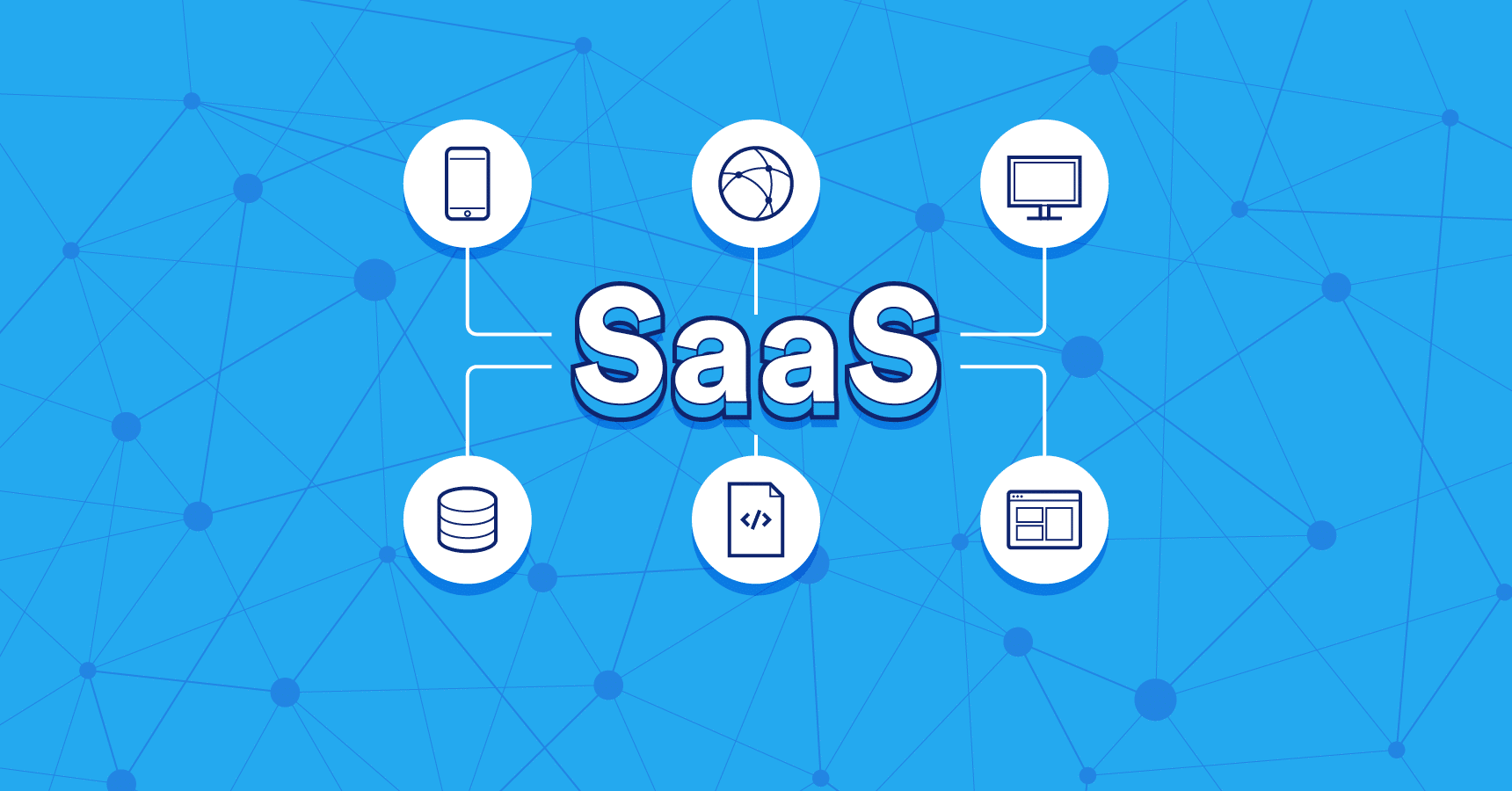
Brainstorming the future of Enterprise SaaS with the team
In today’s digital landscape, Enterprise Software as a Service (SaaS) solutions offer unprecedented flexibility and scalability for businesses. However, beneath the allure of streamlined operations and enhanced efficiency lie potential pitfalls that can derail budgets and timelines.
Here’s a closer look at the key considerations when evaluating the TCO of Enterprise SaaS solutions:
Implementation Cost:
Rolling out an Enterprise SaaS solution involves more than just purchasing licenses. It encompasses customization, deployment, and training to ensure seamless integration with your existing workflows.
Migration Cost:
Transitioning from legacy systems to SaaS platforms requires careful planning and execution. Our team helps businesses navigate the complexities of data migration, minimizing disruptions and optimizing efficiency.
Cost to Change Existing Processes:
Embracing new technology often necessitates organizational change. Our focus on user training and change management ensures smooth adoption and maximum ROI for your investment.
Integration Cost:
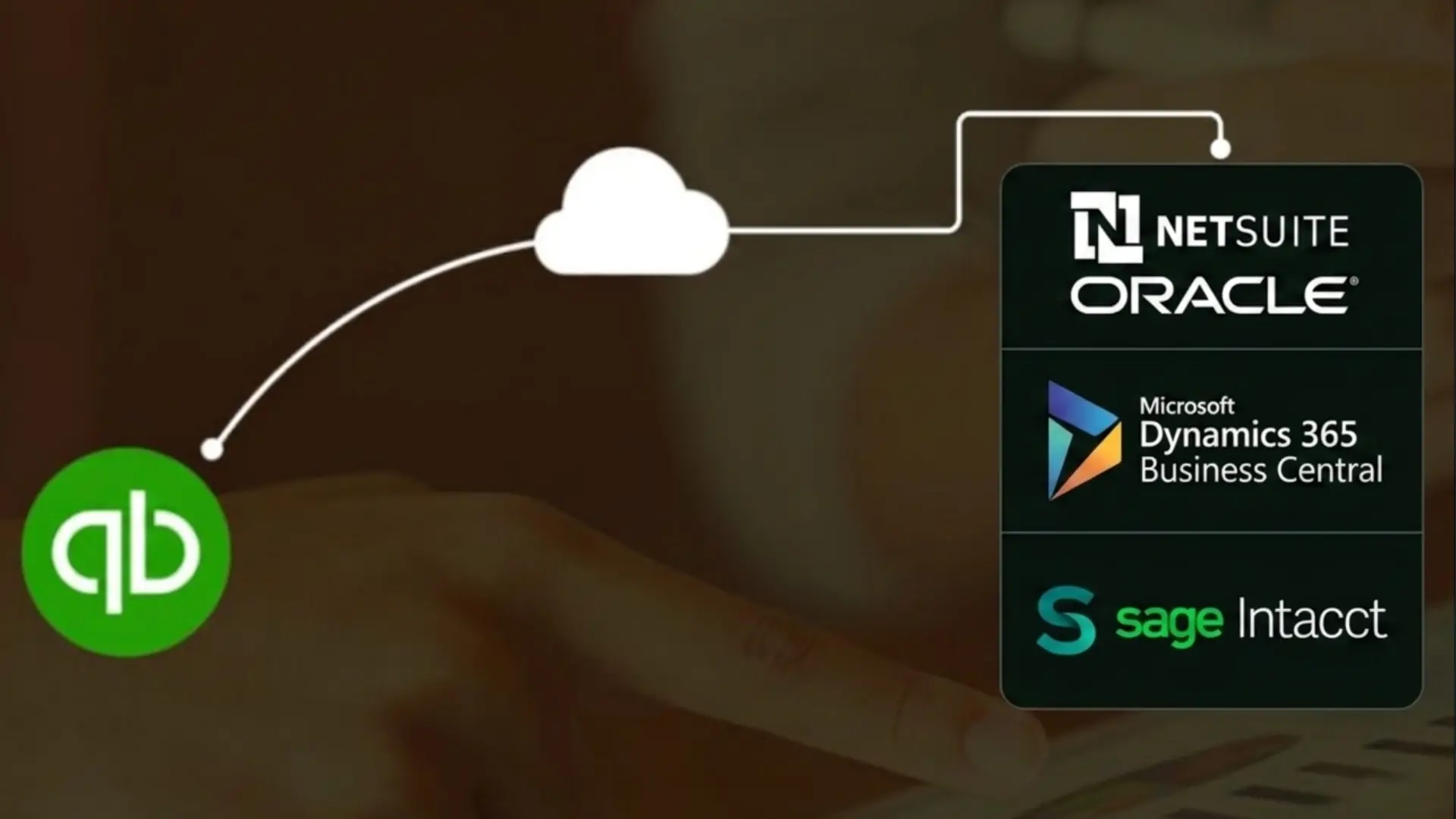
Integrating SaaS solutions with your existing infrastructure is critical for holistic data management. We specialize in building robust integrations that enhance connectivity and data flow across your enterprise ecosystem.
Data Storage Cost:
While SaaS platforms offer scalability, understanding data storage limits is essential to avoid unexpected expenses as your business grows. Our strategic approach helps you optimize data storage and minimize unnecessary costs.
Maintenance and Administration Costs:
Ongoing support, updates, and system administration are integral components of managing Enterprise SaaS solutions. We provide comprehensive support services to ensure your SaaS platform operates at peak performance.
Customization and Extensibility:
Tailoring solutions to your unique business requirements enhances usability and efficiency. Our team collaborates closely with clients to deliver customized solutions that drive business success.
Security and Compliance:
Protecting sensitive data and ensuring regulatory compliance are paramount in today’s digital landscape. We prioritize security measures and compliance standards to safeguard your organization’s data assets.
Before embarking on your Enterprise journey, partnering with an experienced IT services provider can help you navigate the complexities of TCO effectively. With our proven track record in implementing CRM systems and Enterprise SaaS solutions, we empower businesses to unlock their full potential and achieve sustainable growth in the digital age.
Ready to optimize your Enterprise SaaS strategy? Contact us today to learn more about our comprehensive IT services and transformative solutions. Let’s embark on a journey to success, together.